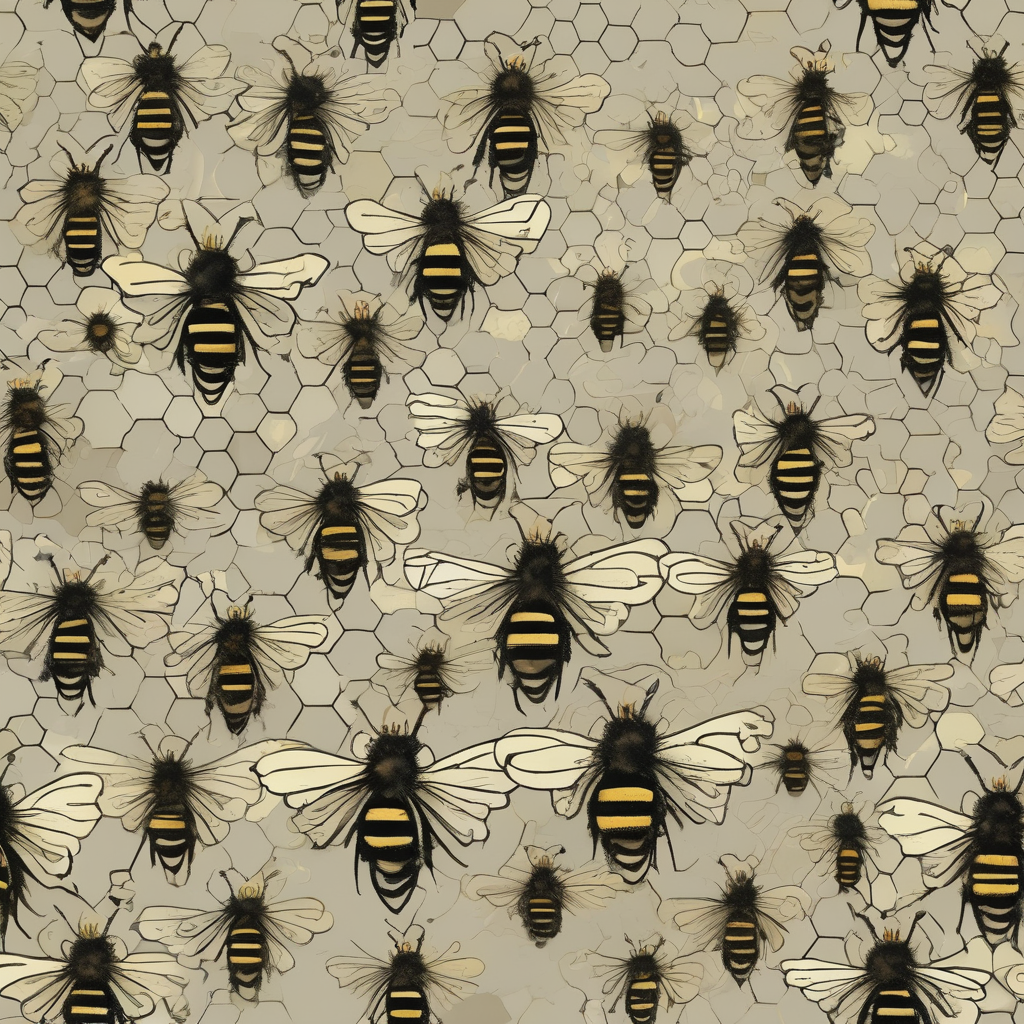
Once upon a time, in a verdant meadow teeming with life, there lived a colony of industrious honeybees. These tireless workers flitted from flower to flower, gathering the nectar that would sustain their hive through the changing seasons.
At the heart of the colony was the Queen, whose gentle yet commanding presence guided her subjects with wisdom and grace. Around her orbited the drones and worker bees, each playing a vital role in the delicate balance of the hive.
The worker bees, with their intricate hexagonal honeycomb, transformed the nectar into the golden honey that nourished them all. The drones, in their turn, protected the hive from harm and ensured the queen's safety. And the queen, through the power of her pheromones, maintained the harmony that allowed this bustling community to thrive.
Yet one day, a curious young worker bee named Buzz grew restless. "Surely," he thought, "there must be more to our existence than this endless cycle of labor and obedience." Venturing beyond the familiar boundaries of the hive, Buzz discovered a vast world of wonders - towering trees, meandering streams, and an infinite array of colorful blooms.
Intoxicated by this newfound freedom, Buzz began to neglect his duties, flitting aimlessly from flower to flower without purpose. The delicate balance of the hive began to falter, and the other bees grew concerned. "Buzz," they pleaded, "you must return to your place within the colony. Without your contributions, we cannot survive."
But Buzz, blinded by his own ego and longing for independence, refused to listen. He scoffed at the idea of conforming to the hive's rigid structure, convinced that his own path held the key to true fulfillment.
As the seasons changed and winter approached, the consequences of Buzz's actions became clear. The hive's stores of honey dwindled, and the colony found itself on the brink of starvation. It was only then that Buzz realized the folly of his ways - that true freedom lies not in forsaking one's role, but in embracing the harmony that binds a community together.
Humbled, Buzz returned to the hive, submitting once more to the Queen's guiding influence. And in rediscovering his place within the delicate symphony of the colony, he found a deeper sense of purpose and contentment than he had ever known.
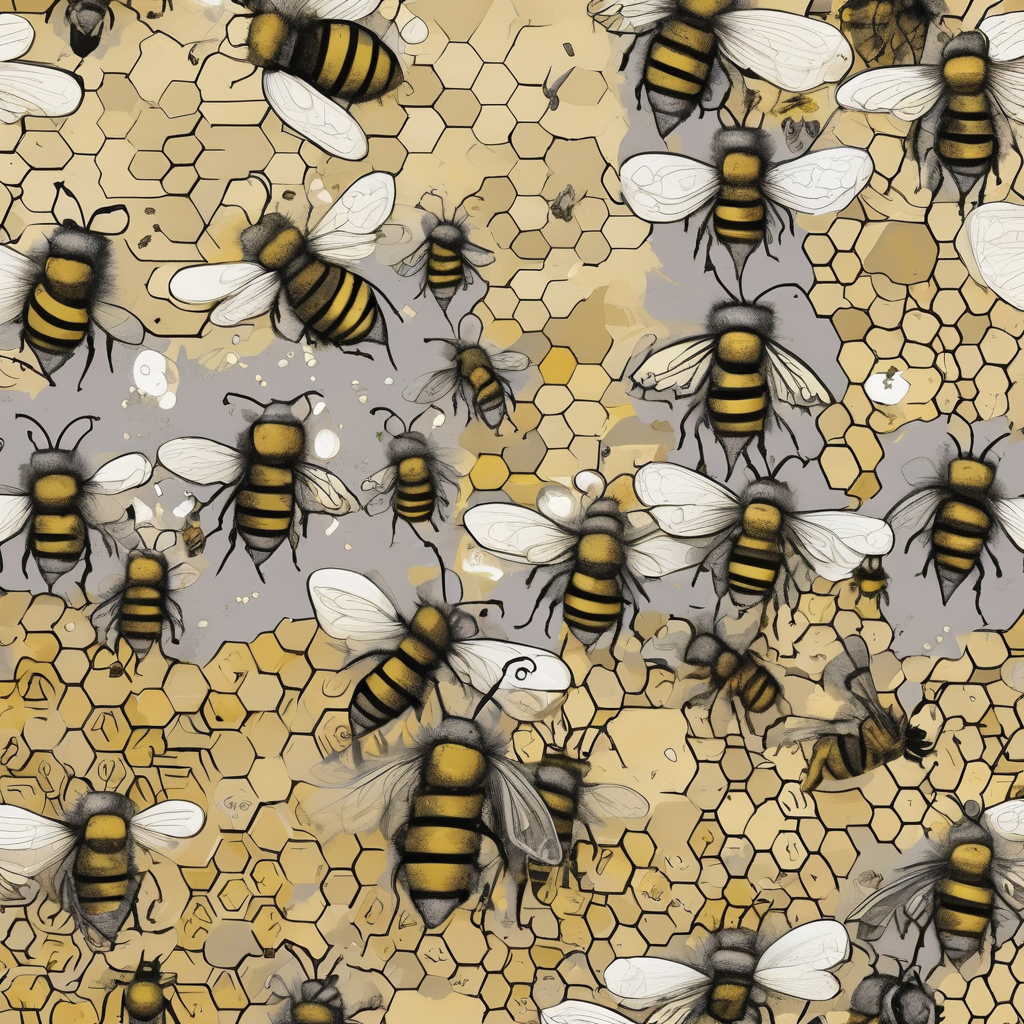
The story of Buzz the wayward worker bee struggling to find his place within the hive's delicate ecosystem is meant to mirror the human experience of striving for individual expression while also honoring our interdependence. It's a timeless struggle that I believe many readers would connect with, both on a literal level for children, and on a more symbolic, philosophical level for adults.
Comments
Post a Comment